
This year’s Year End Showcase presents the works of students in the Digital Media Program in the Department of Computational Arts in the School of Arts Media Performance and Design at York University. The works on display are the top projects from the classes at all levels in the DM program – including: Game Design and Prototyping II, Creative Data Visualization, Climate Futures Lab, Artificial Life, Generative Art and Creative Code, Introduction to Interactive Digital Media II, Introduction to 3D Animation, Game Development for non-majors, Generative and Parametric 3D Modeling for the Arts, Collaborative Project Development, Collaborative Project Development for Games, Media Signal Processing, and our 4th year capstone Digital Media Projects.

Projects Include
Show Reel by: Artificial Life, Generative Art and Creative Code
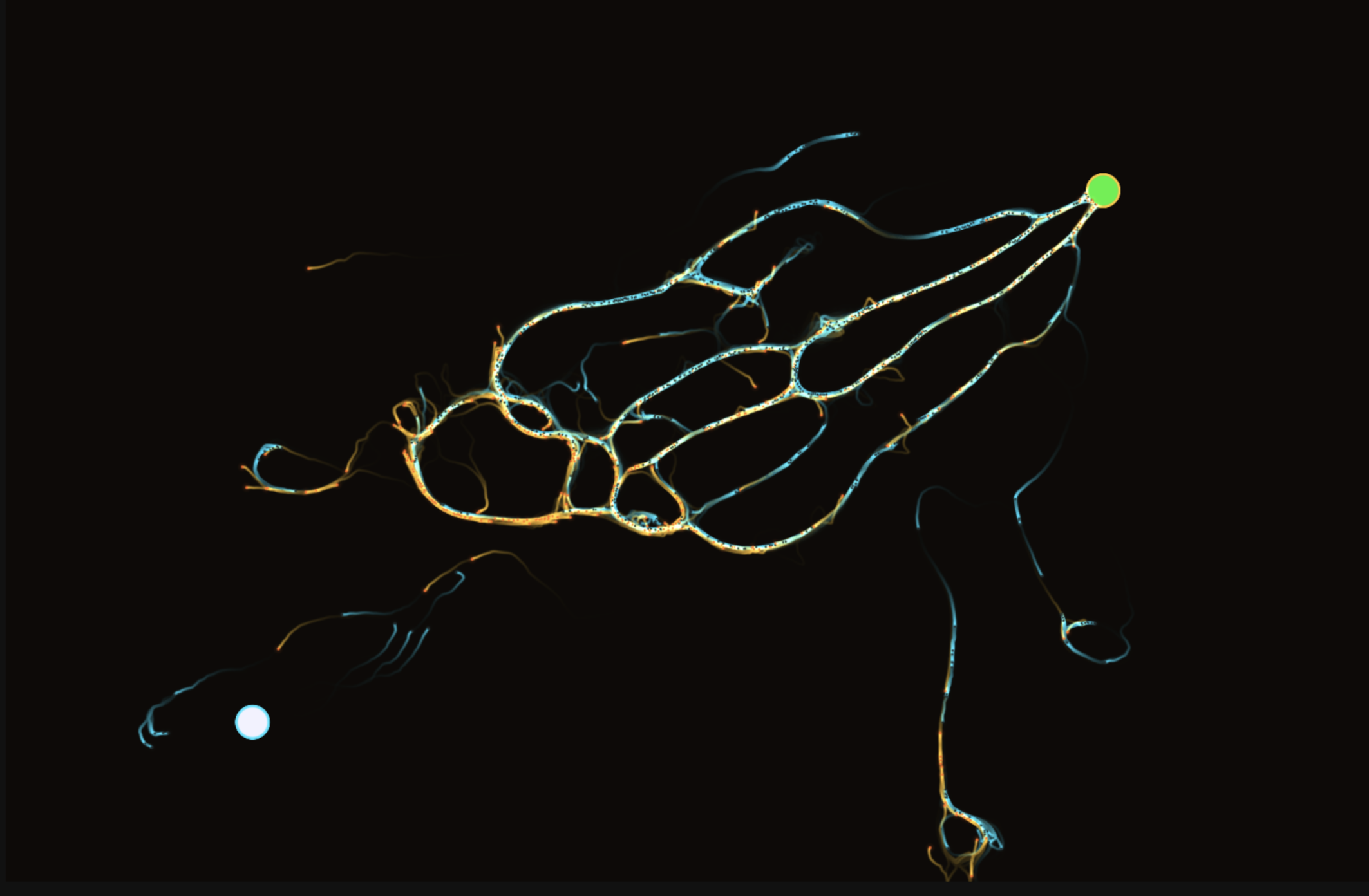
by Billy Abu Saleh, Santiago Bucio-Cano, Ian Hayward, Khushi Jetley, Gavin Johnstone, Hiromune Kubayashi, Junxi Li, Liangdi Liu, Hana Namdar, Tsz Him Ng, Philip Michalowski, Kiana Misaghi, Julia Scheerer, Zeta Sovery, Robin Tarnocai, Xingbang Tang, and Jingwen Zhang.
Selected works of biologically-inspired generative art in the form of cellular automata created as real-time shader programs. Every single pixel in the image runs a program, responding to the values of the pixels neighbouring it. These works were created by 4th year students in DATT4950 and graduate students DIGM5950. These courses address computation as a creative medium from a biologically-inspired standpoint to develop artworks, adaptive media and simulations approaching the fascinating complexity of nature.
Ghosts of the Deep by Sam Genovese, Samuel Ollmann-Chan and Calvin Tang

Ghosts of the Deep is a project made in response to a specific type of ocean pollution, ghost nets. Ghost nets are fishing nets that are abandoned or discarded by fishermen and left in the ocean ecosystem. Ghost nets choke out coral reefs, impact fish feeding grounds, and trap fish. The player’s goal is to navigate the environment to find shoals of krill to feed themselves as a seahorse constantly. If the player starves from hunger, the experience ends. Using an Xbox Kinect, the project tracks the player’s body movements to control the seahorse character in the game, allowing players to become physically immersed in the struggles of a seahorse.
Hands in for Renewal by Gareth Davey, Lydia (Liangdi) Liu and Zhiyuan Zhou
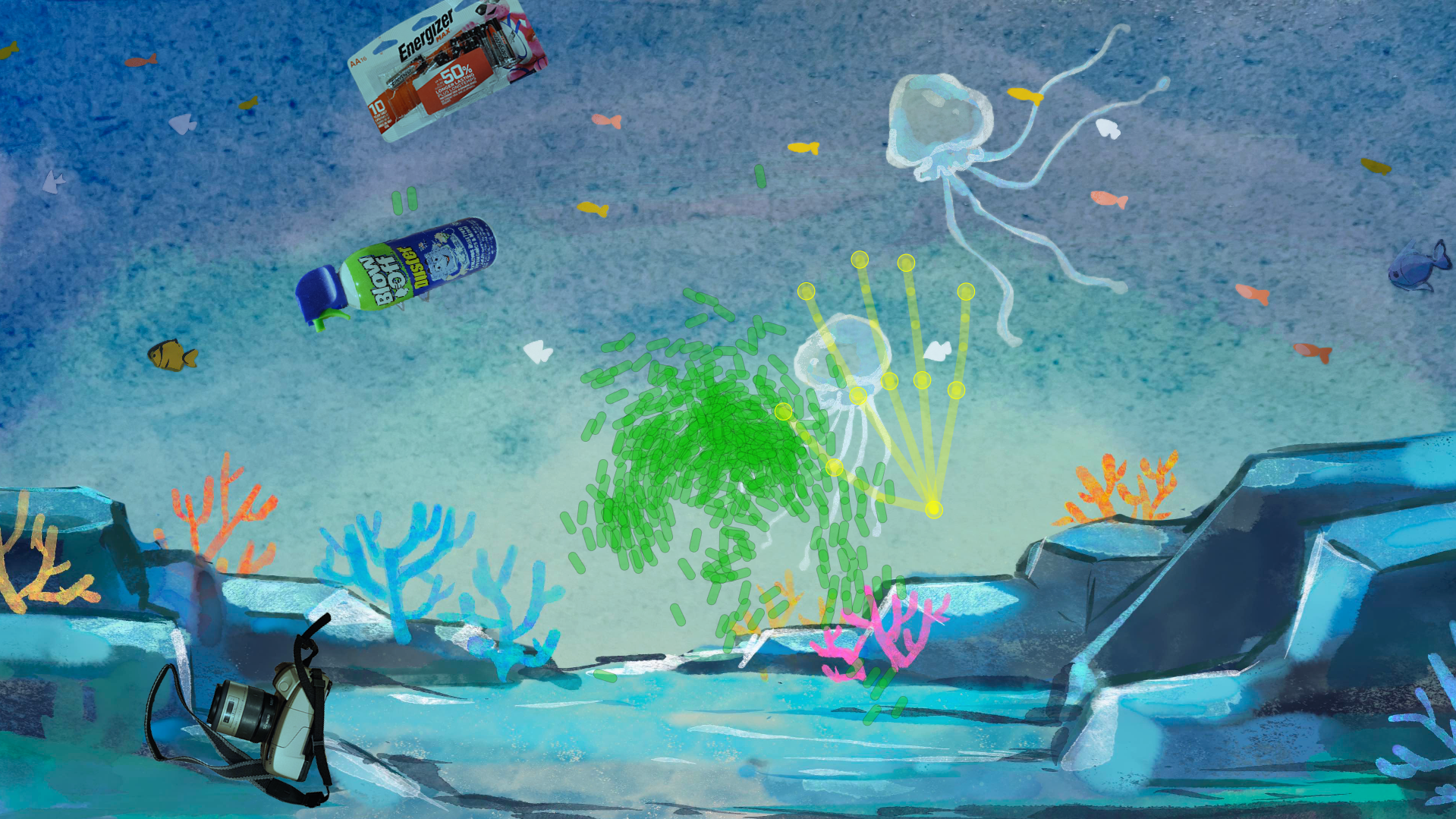
Hands in for Renewal is an interactive digital experience that challenges the dominant presupposition that nature is a static and inert commodity for human use. Instead, it encourages users to become part of nature’s ongoing story and recognize it as a living and dynamic agent. To achieve this, the experience engages participants in embodied behaviors within a dynamically responsive natural world, fostering constructive relationships between humans and the often unheard voices of the environment. Central to the project is Ideonella sakaiensis, a microorganism capable of transforming plastic waste into bacterial fuel sources that naturally break down. This bacteria is not a miracle solution, cultivating this bacteria still requires human responsibility. Built in p5, Hands in for Renewal invites users to use their hands to experiment in this responsibility with a digital depiction of the bacteria as its behaviour constantly changes to reflect the ecosystem’s shifting health.
Projects in Digital Fabrication

Throughout the term students have explored ways of making objects and thinking about objects and their meaning. The course is hands on requiring the mastery of 3D modelling and design, 3D printing, laser etching and engraving, and 3d scanning in order to create objects which have gone from the digital to the real. The resulting works run the gamut between the poetic, reliance on storytelling and myth, or on the promise of technology.
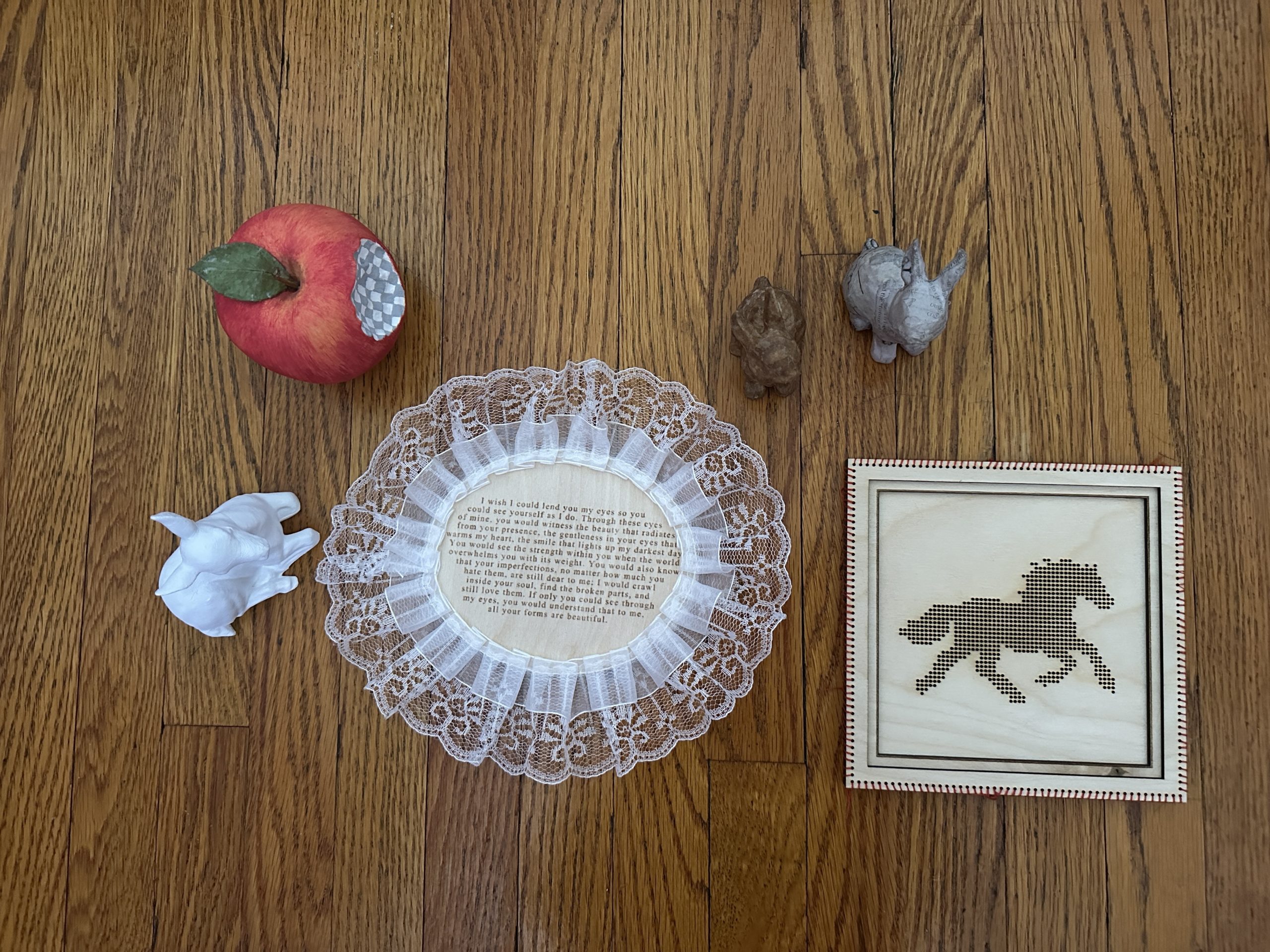
dear to me by Antonina Borman

Singular Arm Mechanism Unified Extender Linear-Direction (S.A.M.U.E.L.) by Samuel Ollmann-Chan
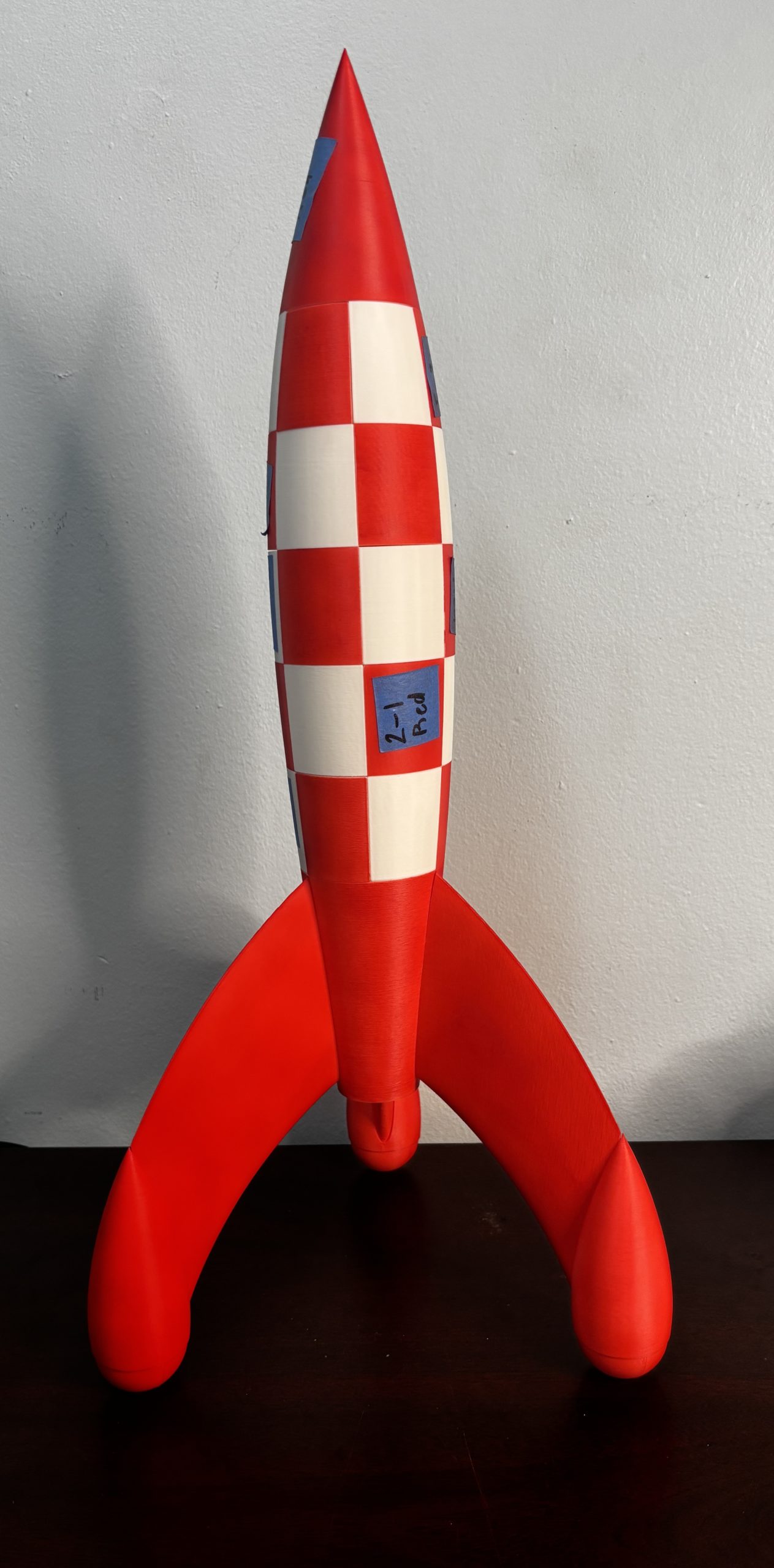
Rocket by Faiz Yessoufou

Sequential Lamp by Caroline Socha
Fashion Form by Kaitlyn Ly, An Vu and Alexa Adams

Fashion From is an installation experience that encourages participants to reflect on the often concealed environmental impacts of the fast fashion industry. The first point of interaction is a mock retail website, where users engage in a virtual shopping experience for clothes. Users are encouraged to continuously add items to the cart. After checkout, a receipt printer produces a detailed breakdown of the environmental impacts associated with the user’s purchase. The user will be prompted to pin their receipt to a mannequin. Over multiple interactions, these receipts accumulate into a dress that represents both impacts and aesthetic preferences, revealing the real weight of consumption.
Show Reel by Creative Data Visualization

This showreel presents a selection of undergraduate student works from the Creative Data Visualisation course taught by Ilze Briede [Kavi], showcasing experimental approaches to working with data as artistic material. Moving beyond conventional formats, students explore diverse techniques—including real-time systems, live coding, and data-driven installations—to develop unique visual languages. The projects reflect a wide range of conceptual and technical responses to data collection, processing, and interpretation. Emphasising individuality and critical engagement, this exposition highlights how emerging practitioners are rethinking data visualisation as a performative, expressive, and culturally situated practice.
Slay and Sauté by Amneet Singh, Phuong Ngan Ho, Hubert Huang and Shawn Manaois
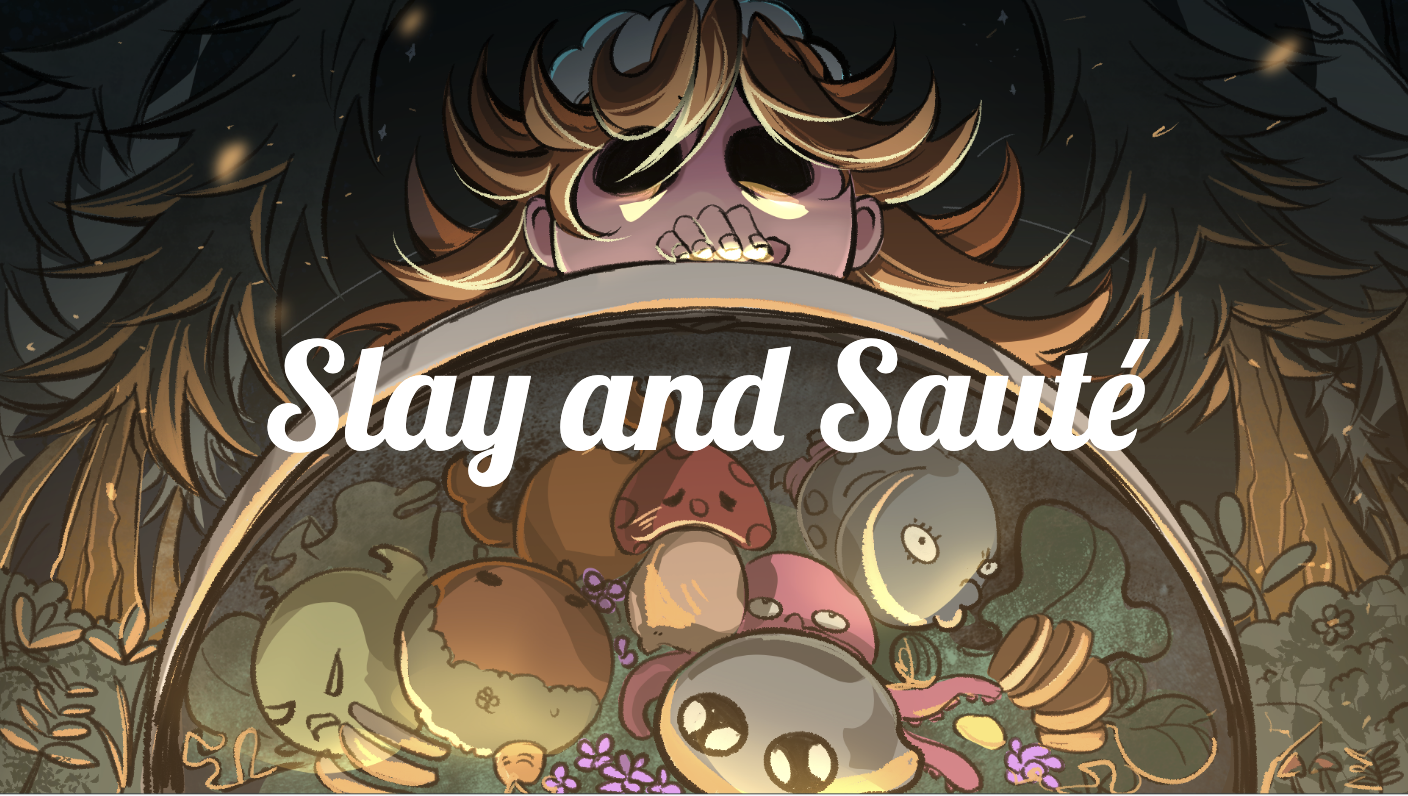
Slay and Saute is a fantasy themed 2D top/down survival game where players step into the boots of chef Kenny, a daring culinary adventurer on a perilous quest into the underworld. With no ingredients, no allies, and his life on the line, chef Kenny is forced to descend into a dangerous and mysterious realm in search of monstrous cuisine to satisfy his king. The player explores, battles monsters, and dances across a cascade of enchanted notes.
Hold Your Holsters by 1) Justin Palaca, Cornelius Acuna, Isabel Caballero, Pedro Santiago and Gustavo Gentile
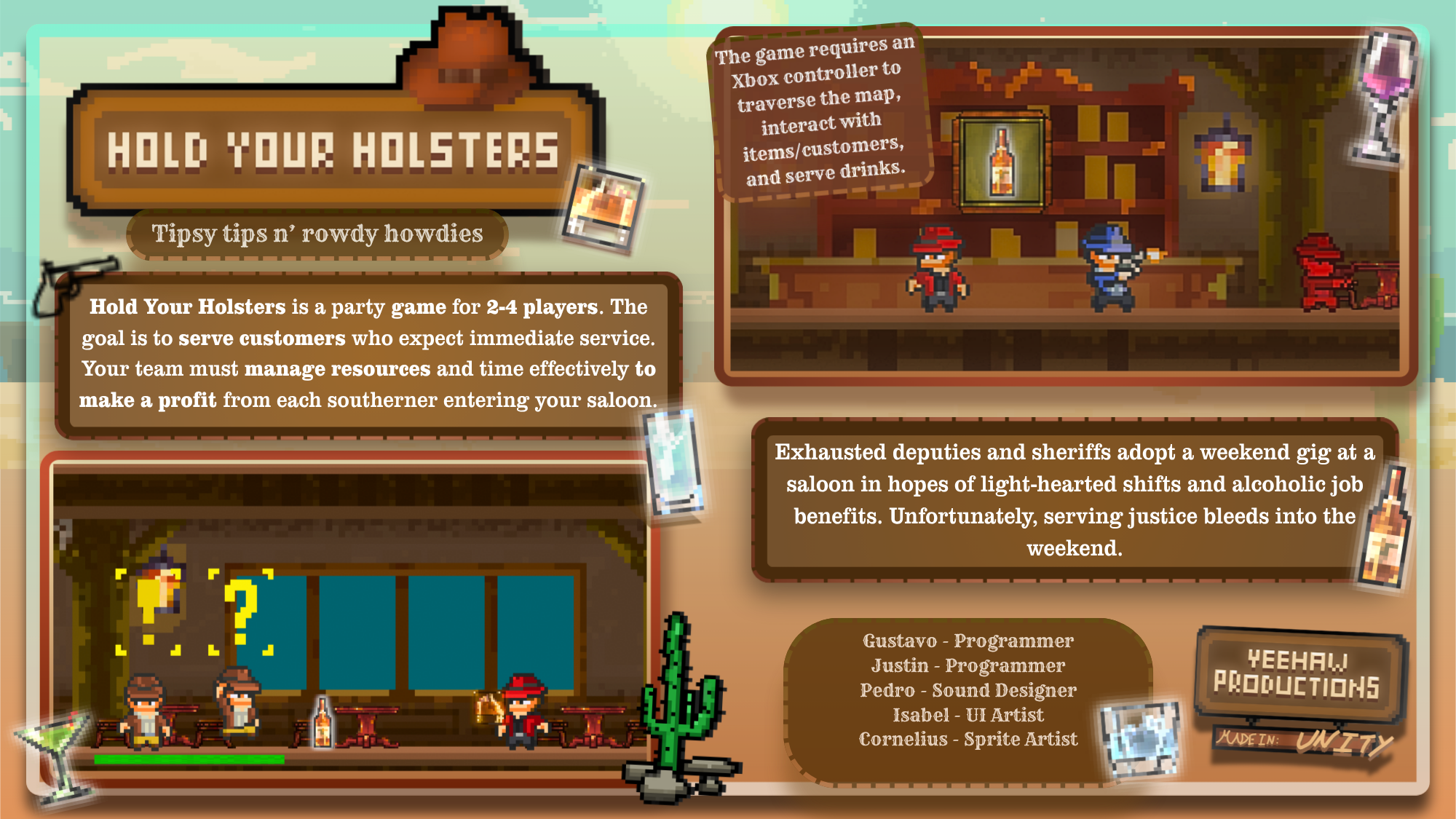
Hold Your Holsters is a party game for 2-4 players. The goal is to serve customers who expect immediate service. Your team must manage resources and time effectively to make a profit from each southerner entering your saloon. Exhausted deputies and sheriffs adopt a weekend gig at a saloon in hopes of light-hearted shifts and alcoholic job benefits. Unfortunately, serving justice bleeds into the weekend.
Selected works from Introduction to Interactive Digital Media II
by Leonardo Barrera Miranda, Ethan Benjamin, Yik Hei Chan, Michael Compierchio, Sophia Gu, Kevin Kwan, William Macdonald, Colin Vander Meer

Selected original music videos from the first-year Digital Media course DATT1020. Each of these works is a 3D music video driven directly from properties of the music track. The music is analyzed for energy in different frequency ranges (such as bass, mid and treble), and these envelopes modulate different properties of the 3D visualization, including camera animation, geometry transformation, chaotic particle system parameters, lighting, materials, post-processing effects and more.
Show Reel by students from Introduction to 3D Animation
by Raja Ali, Janna Montalbo, Yusuf Khan, Benroy Chayson, Shanthuru Kalaiselvan, Anthea Siu, Gwyn Dales, Baila Hantsis, Rocarlie John Baligod

Selected experimental animations from Datt 2501: Introduction to 3D Animation. Each animation uses character rigging and animation to reresent the theme of transformation or change. Cinematography tools such as camera shots and movement, lighting and composition are used to further enhance the concept of their work.
A Single Brain Cell by Nicole Yan
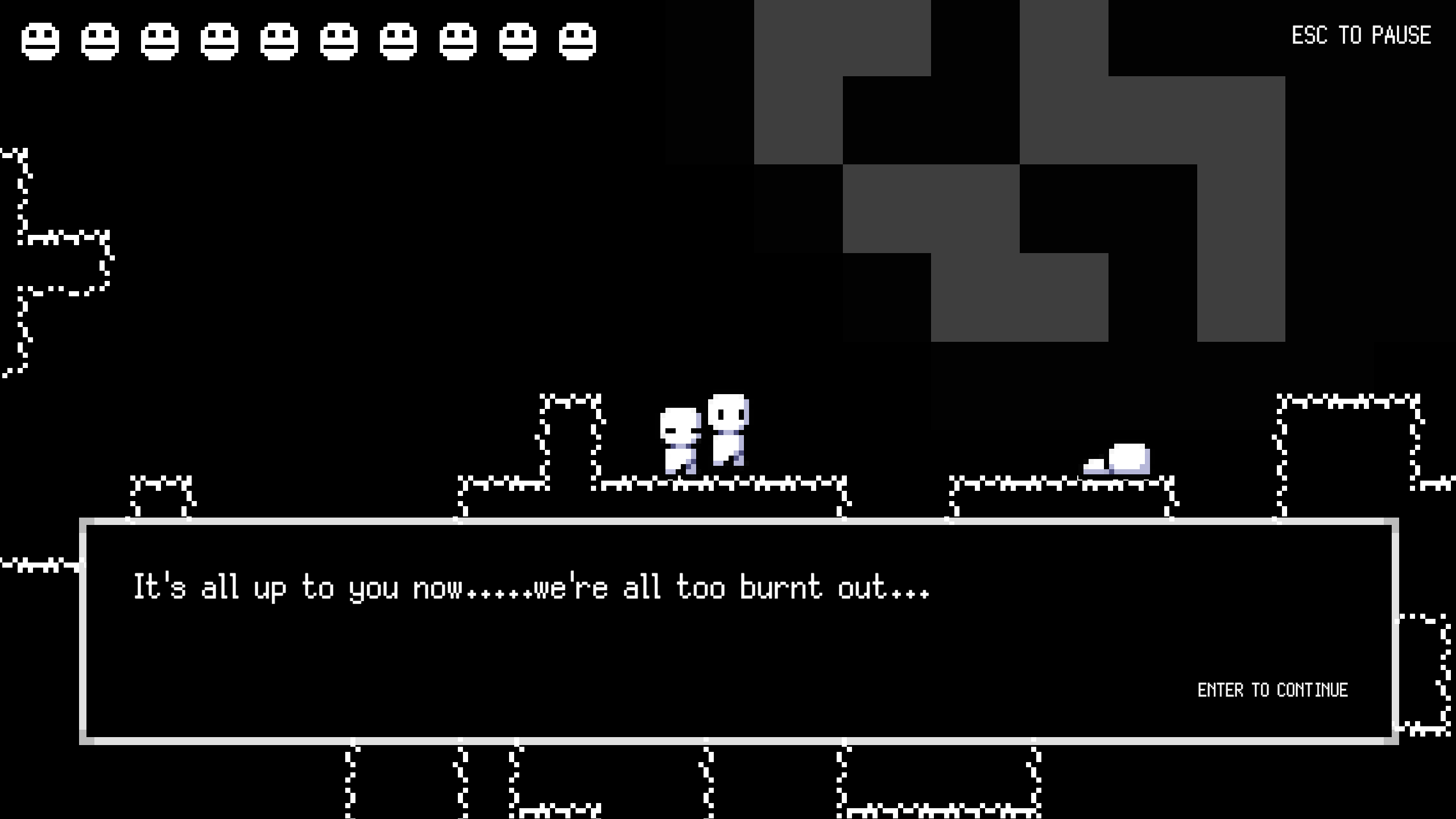
A Single Brain Cell is a narrative platformer that explores themes of mental health and the struggle of facing reality (or avoiding it). Follow the journey of a single brain cell inside the chaotic mindscape of a person experiencing burnout and feelings of despair. Run away from emails, collect phones to doomscroll, and meet other brain cells who are trying to keep things together… or not.
It’s messy, it’s chaotic, and maybe a little painfully relatable. Yippee!
Lucky Gambit by Gabriel Paragas
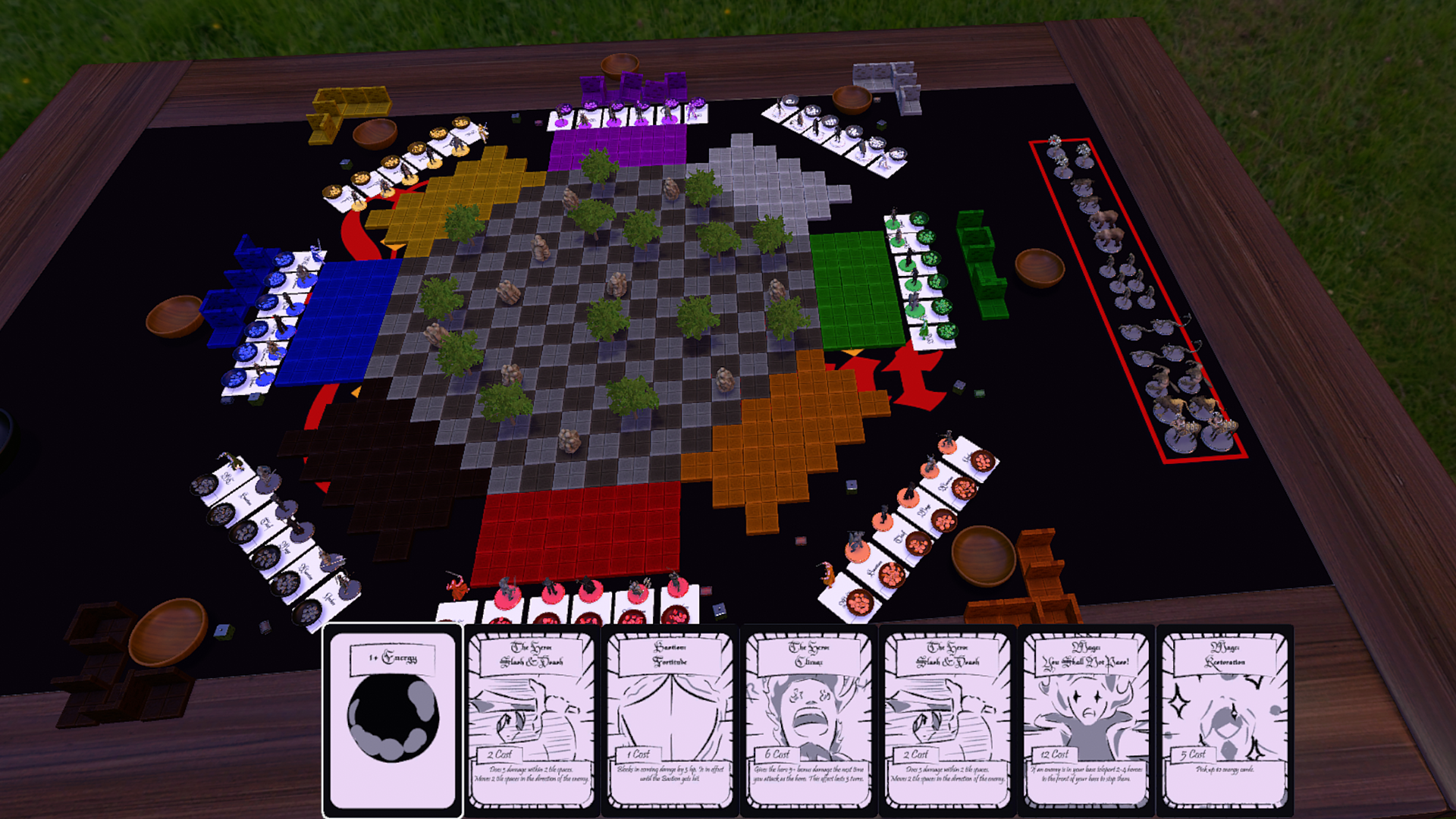
Lucky Gambit is a game that blends strategy, luck, and chaos into one tabletop game. The game is for 2 – 8 players, where the more players there are, the more strategic and chaotic the game can become. Using a team of 6 characters, take over your opponent’s domain with a spin on favourite fantasy and fiction tropes. Take down their main hero, and if you’re lucky, claim victory!
Works by students in Generative and Parametric 3D Modeling for the Arts
by Nithan Aravinth, Sam Genovese, Darshi Jani, Hiromune Kubayashi, Lielle Mammon, Robin Tarnocai, Tiange Wan, Xiyan Lu

The Garden’s Response by Emma Su, Huanrui Cao, Kaitlyn Ly, Sawsan Al Sharafa and Xiwei Ma

The DATT3700 project The Garden’s Response is an interactive kinetic flower installation that integrates computer vision, emotion AI, and distributed hardware nodes. The system utilizes a central Python-based host to track human faces and analyze emotional states, translating these digital perceptions into physical movements across a network of ESP32-powered “flower” nodes.
The project bridges high-level machine learning (DeepFace, MediaPipe, ViT) with low-level embedded control (PWM, Servos, OSC) to create a responsive, bio-inspired kinetic environment.
False Prophecy by Zaina Khan, Sanjana Bhaskar, Spencer Samra, Salar Khan and Kenzy Ashour

False Prophecy is an interactive installation that explores how artificial intelligence constructs and misinterprets human identity. Using facial recognition, emotion detection systems, and a tailored audio experience, the work analyzes the user’s expressions and generates real time visuals and leads them through a series of false prophecies. As the interaction progresses, the system becomes increasingly inaccurate, exposing how AI can confidently produce false conclusions. The project critiques the assumption that technology can objectively understand human emotion, revealing instead how bias, error, and overconfidence are embedded within these systems. By confronting users with false interpretations of themselves, False Prophecy highlights the tension between human identity and machine perception in a data driven world.
Touche Tempo by Brayden Thomson, Jasmine Ly, Mame Mor Mbacke, Makiese Sita, Mankirt Hothi and Tiffnie Chau

Winners of the Accessibility Award at Level Up 2026. Touche Tempo takes on the role of a silent fencer as you battle your way through the Devil’s tournament against six unique competitors. Follow visual and audio cues in this marriage of arcade fighters and rhythm games, utilizing three stances in two phase combat to find your opening and master timing. If mere victory is not enough, the lives of your enemies are forfeit. Explore the devil’s manor to learn about your opponents and immerse yourself in the world. Do you seek greatness? redemption? Like a duel, the choice resides in your hands.
LOST PARADIGM by Calvin Tang, Mark Hinchcliffe, Habib Khan, Ryan Ozols and Abraham Arpasi
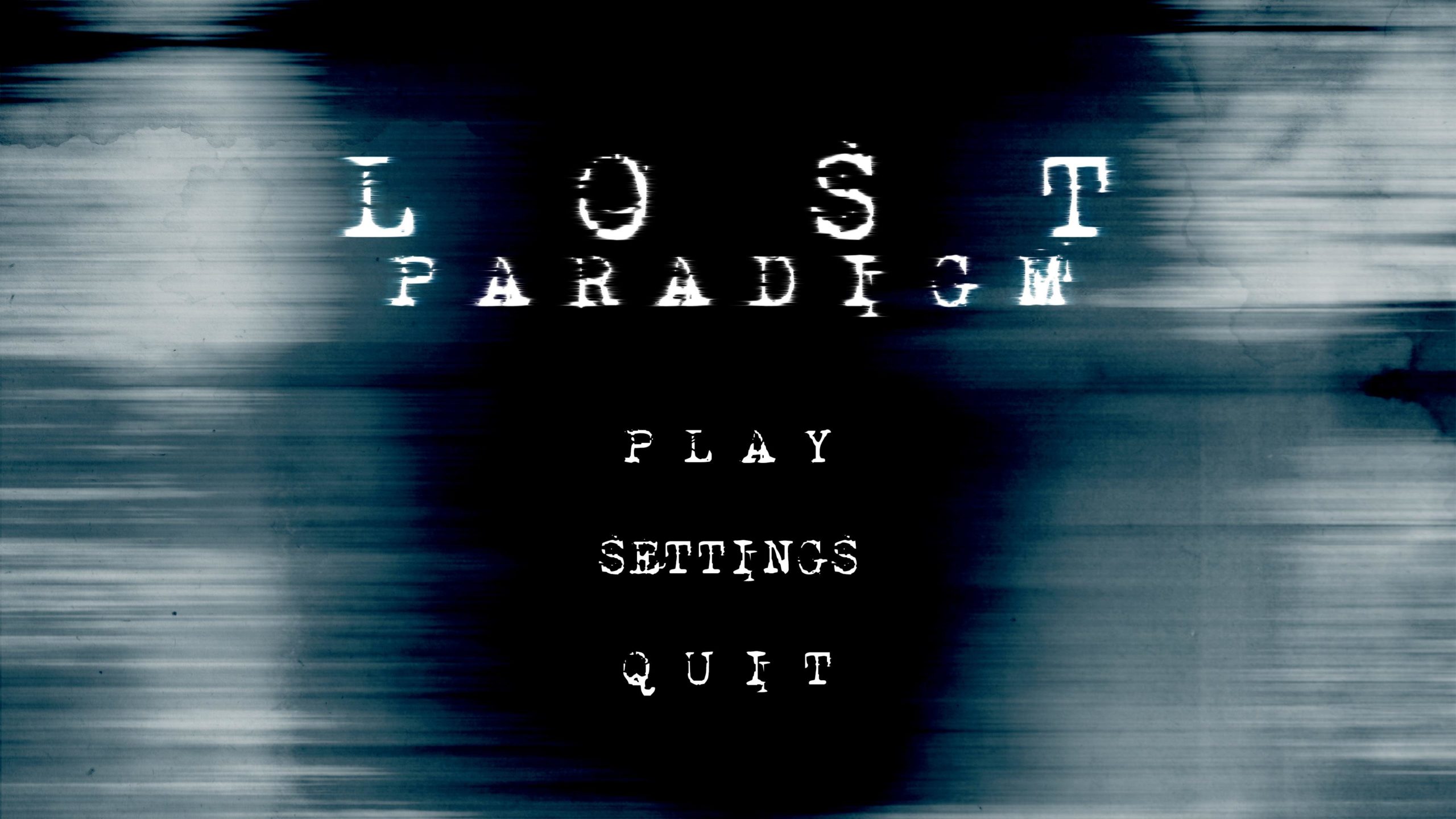
A paradigm, is a set of scientific and philosophical concepts. An entire line of thinking and ideas is a paradigm. For a paradigm to be lost, any and all related knowledge must have been destroyed or covered up. ‘Lost Paradigm’, is an immersive sci-fi adventure game about discovering the banished secrets that remain inside a decommissioned bunker. Featuring detailed 3D environments and reactive sound design. The game features eyecatching scripted setpieces with tight-knit linear level design to create a handcrafted experience.
Noctiluca presents an interactive, multisensory installation that combines biophilic design principles with responsive technologies to create a calming, immersive environment. The work features jellyfish-inspired light sculptures that integrate fibre-optic illumination, proximity sensing, and audio-reactive behaviour to support sensory comfort and emotional grounding. When a viewer approaches, each sculpture transitions from a resting state to an active lighting mode and further responds to environmental sound with gentle or dynamic pulses. Surrounding projections and ambient audio extend the underwater aesthetic across the space, reinforcing the installation’s nature-inspired atmosphere.
Noctiluca by Abdullah Al Fuad, An Vu, Kaitlyn Ly, Luca Iamundo and Rabiha Chowdhury

Noctiluca presents an interactive, multisensory installation that combines biophilic design principles with responsive technologies to create a calming, immersive environment. The work features jellyfish-inspired light sculptures that integrate fibre-optic illumination, proximity sensing, and audio-reactive behaviour to support sensory comfort and emotional grounding. When a viewer approaches, each sculpture transitions from a resting state to an active lighting mode and further responds to environmental sound with gentle or dynamic pulses. Surrounding projections and ambient audio extend the underwater aesthetic across the space, reinforcing the installation’s nature-inspired atmosphere.
Performances by students in Media Signal Processing

binary inspector by Rodney Josephs, Yusuf Khan, Ethan Ramai, Theresa Tran
Microscopic World by Isaiah Byjue, Kyoyoung Lee, Josette Pronton
Cosmic Organ by Clark Irwin, Joseph Nguyen
Labyrinth by Wendy Zhang, Laine Fenton, Kai Vo
Dawn to Dusk by Grey Walsh, Vinny Elliott
MAXimal Inception by Sarah Frazao, Aparna Praveen, Caedmon Tosh, Nevan Naug
Images from the gallery


